Tucked away in the Garhwal Himalayas lies one of India’s most intriguing and thrilling adventures — the Roopkund Trek. Often referred to as the “Mystery Lake Trek,” this journey offers more than just stunning mountain views. It’s a trek that whispers stories of death, discovery, and legends that are centuries old.
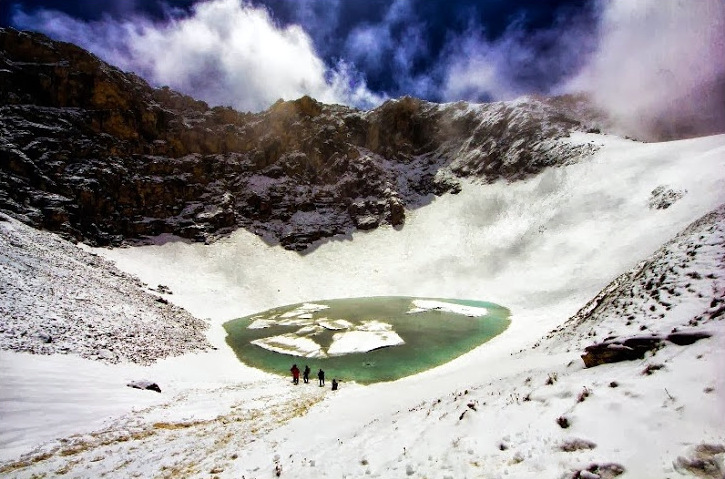
At nearly 16,500 ft above sea level, Roopkund is not just a glacial lake — it’s a natural museum holding the skeletons of over 500 ancient humans, mysteriously preserved in the snow for more than a thousand years. But beyond the eerie allure, the Roopkund trail is one of the most breathtaking routes you can ever walk.
🌄 Where Myth Meets Mystery
Roopkund isn’t a typical trek. What makes it unique is its combination of natural beauty, archaeological wonder, and cultural mythology.
Legend says that Goddess Nanda Devi cursed a group of King Jasdhaval’s pilgrims who were crossing this region with dancing and music — an offense in the sacred realm. A sudden hailstorm killed them all. When the frozen lake was discovered in the 1940s, it was filled with human bones, believed to be from that very event.
Scientific studies now confirm the skeletons are real — from the 9th century — possibly pilgrims from two different groups who died in a freak hailstorm. That blend of fact and folklore gives Roopkund a surreal, chilling charm.
🏞️ The Landscape – Every Turn, a Wallpaper
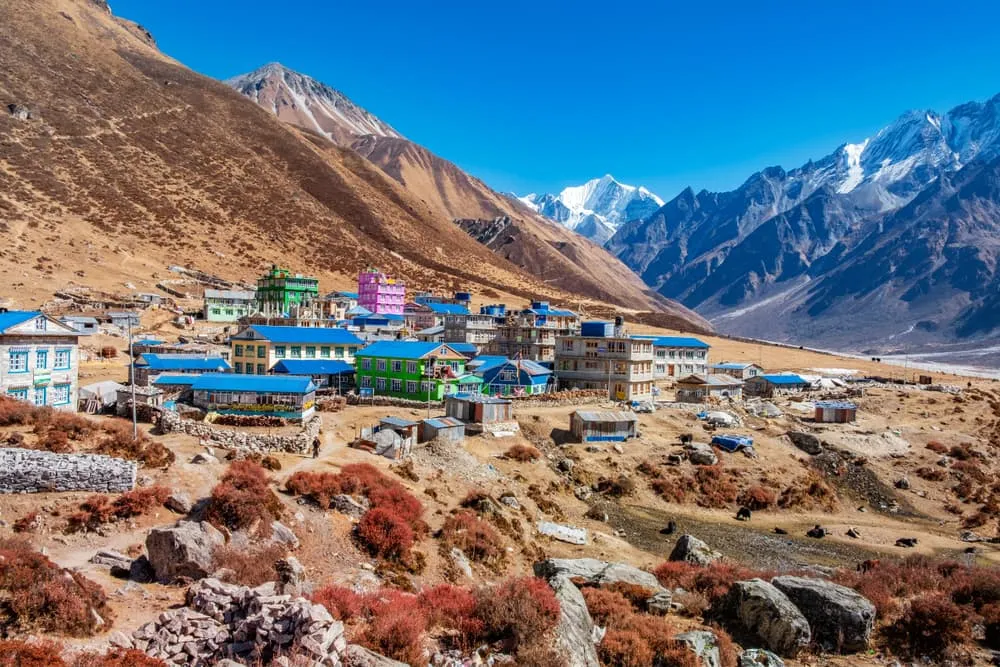
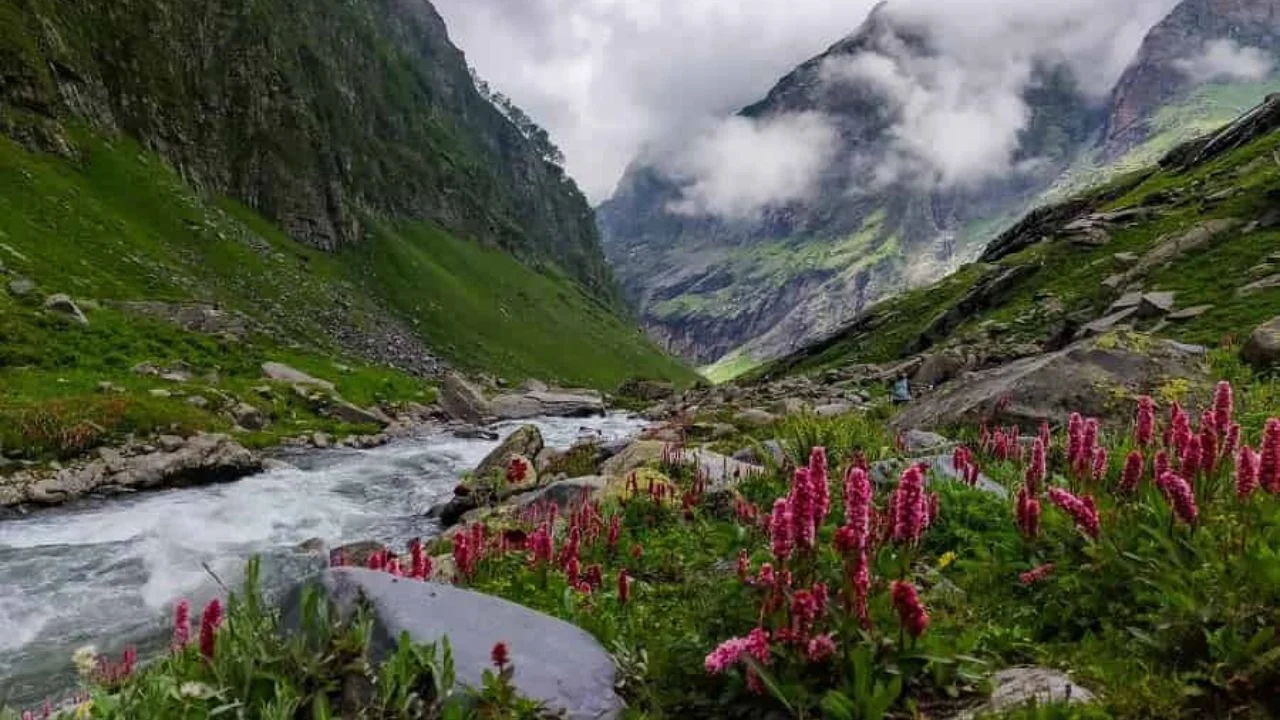
Even if you take the mystery away, the Roopkund trail itself is enough to leave you awestruck. The trek starts through dense oak and rhododendron forests, opens into lush green meadows of Bedni Bugyal, and slowly transforms into a barren, snowy high-altitude terrain.
With every step, the landscape evolves — from village fields to alpine lakes, ridgelines, glaciers, and finally the frozen skeleton lake. You’ll spot Trishul and Nanda Ghunti peaks glowing in the sunrise, hear mountain silence broken only by the wind, and sleep under a billion stars.
This diversity of scenery in a single trek is something few trails in the world can offer.
❄️ The Challenge is Real – And So Is the Reward
Make no mistake — Roopkund is not an easy trek. The thin air, steep climbs, and cold nights test your stamina and willpower. But that’s what makes the final view of Roopkund Lake so emotional — you don’t just reach a destination; you earn a piece of history.
There’s a strange silence near the lake. A quiet that demands respect. Seeing human skeletons lying at the bottom of the crystal-clear ice isn’t something you'll ever forget. It humbles you.
It reminds you that nature is timeless, and we are just visitors.
🧗♂️ Who Should Do the Roopkund Trek?
This trek is for those who crave depth — not just height. Roopkund is ideal for:
Trekkers who’ve done beginner trails and want something more serious
Storytellers, filmmakers, photographers
Spiritual seekers and mythology lovers
Anyone looking to confront a real sense of the unknown
You need to be physically fit, emotionally curious, and mentally strong. It’s not a luxury trek — it's a wilderness experience.
🌿 What You Take Back
You won’t just return with photos — you’ll bring back something deeper:
The taste of mountain water
The silence of snowy ridges
The eerie stillness of history beneath your feet
And the memory of standing face to face with time itself
Roopkund teaches you patience, humility, and respect — for the mountains, for nature, and for those who walked before us.
✋ Current Status & Caution
As of recent updates, Roopkund is part of a restricted eco-sensitive zone, and camping above Bedni Bugyal has been banned to protect the alpine meadows. However, various alternate routes and eco-friendly plans are being explored.
So, if you're planning, make sure to:
Go with certified local guides
Respect forest regulations
Leave no trace — carry back all your waste
Avoid trekking during monsoon (June–August)
🧭 Final Thought
The Roopkund Trek is not just about reaching a lake. It's about walking through centuries of untold stories, listening to the wind carry whispers from the past, and realizing that the Himalayas are not just mountains — they are living legends.
And when you stand at the edge of that mysterious lake, surrounded by silence and skeletons, you’ll understand why some places aren’t meant to be conquered, but quietly honored.





Leave a comment: